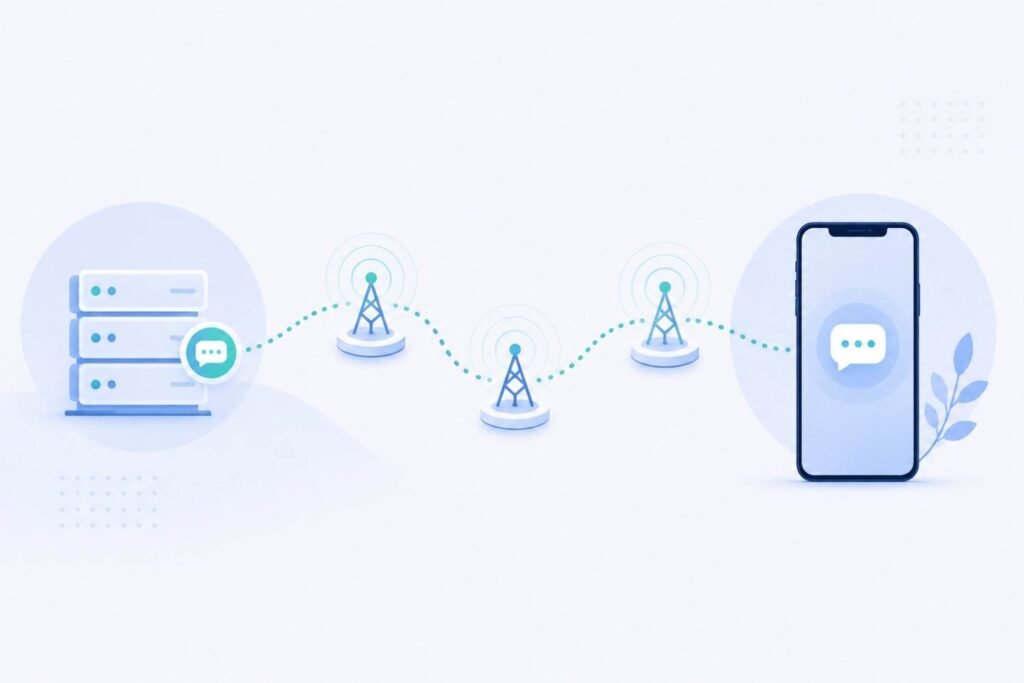
Switching mobile carriers used to mean giving up your old phone number entirely. Number porting changed that — but the process involves more coordination between carriers than most people realize.
What Number Porting Actually Is
Number porting (or “number transfer”) is the process of moving your existing phone number from one carrier to another, so you keep the same number even though you’re switching service providers entirely.
The Technical Process Behind Porting
1. You request the port from your new carrier
Rather than contacting your old carrier, you typically initiate the process with the new carrier you’re switching to, providing your existing number and account details.
2. Identity and account verification
The new carrier needs to confirm you’re the legitimate owner of the number being ported, usually requiring details like your old account number, PIN, or billing zip code associated with the current account — this step exists specifically to prevent unauthorized number theft.
3. The porting request is submitted to a central number database
In most countries, there’s a centralized system (in the US, this is coordinated through the Number Portability Administration Center, or NPAC) that tracks which carrier currently “owns” routing responsibility for each number. The new carrier submits a request through this system.
4. The losing carrier confirms or rejects the request
Your old carrier receives notice of the port request and typically has a short window to confirm the details match their records, or flag a discrepancy (like an incorrect account PIN).
5. The number’s routing is updated across the network
Once approved, the central database updates which carrier network is responsible for routing calls and texts to that number. This update needs to propagate across telecom infrastructure, which is why porting isn’t always instantaneous.
6. Service activates on the new carrier, and the old service is discontinued
Once the port completes, your number becomes active on the new carrier, and your old carrier’s service for that number is automatically terminated.
Why Porting Sometimes Takes Time
Simple mobile-to-mobile ports within the same country often complete within a few hours to one business day. However, delays can happen due to:
- Mismatched account information (an incorrect PIN or billing detail causes the losing carrier to reject the request)
- International porting, which involves additional regulatory steps and generally takes longer
- Porting from a landline to mobile service, which can involve different systems than mobile-to-mobile ports
What Happens to SMS Verification During a Port
Since your number itself doesn’t change, any accounts using SMS verification tied to that number should continue working normally once the port completes — codes will simply route to whichever carrier is now handling that number. There can occasionally be a brief service gap during the actual transition window where texts might be delayed, so it’s generally wise to avoid initiating logins requiring a fresh SMS code during the exact porting window if avoidable.
Frequently Asked Questions
Can I port my number to a new carrier without losing service in the meantime?
Most carriers aim to minimize downtime during a port, often completing it within hours, though brief service interruptions during the transition are possible depending on the carriers involved.
Do I need to cancel my old service before porting?
No — you typically shouldn’t cancel your old service before initiating a port, since canceling first can sometimes cause the number to be released back into the pool rather than transferred, making porting impossible.
Can virtual or temporary numbers be ported?
This varies significantly by provider — some virtual number services support porting in or out, while others don’t offer this option at all. Check the specific provider’s policy.
Why was my port request rejected?
The most common reason is mismatched account information — an incorrect account number, PIN, or billing zip code compared to what the losing carrier has on file.
Does porting a number internationally work the same way?
No, international porting typically involves additional regulatory steps and generally takes longer than a domestic port, and isn’t supported between all country pairs.