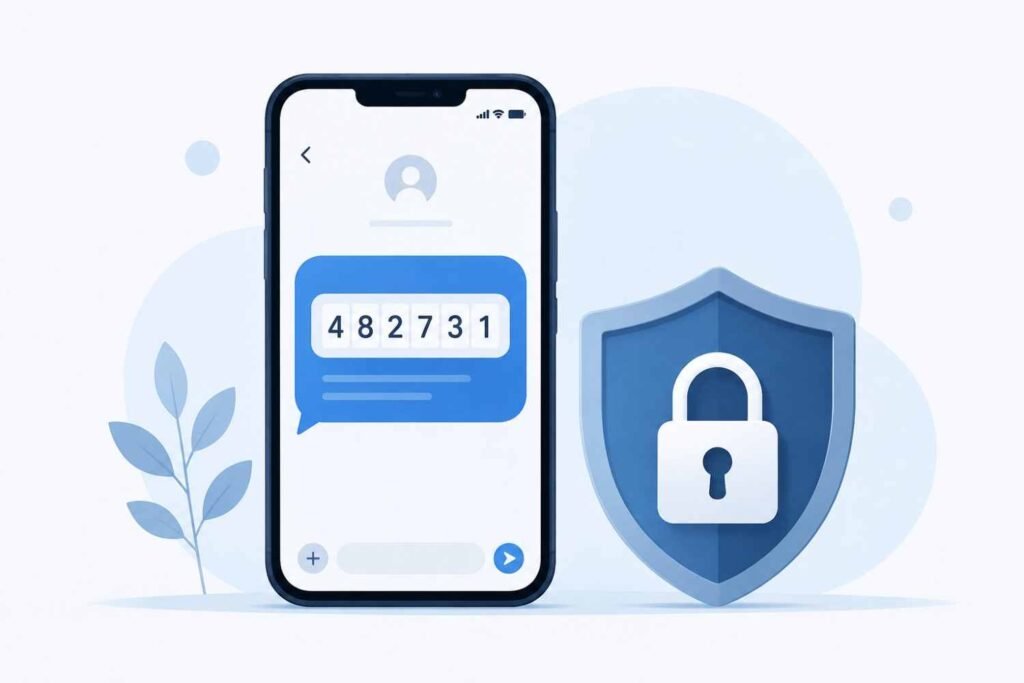
A virtual phone number is a phone number that isn’t tied to a specific physical SIM card or device. Instead, it operates through the internet or a cloud-based system, allowing you to make calls, send texts, or receive verification codes without a traditional mobile plan attached to that number.
This guide explains what virtual numbers actually are, how they function, and the situations where people commonly use them.
What Is a Virtual Phone Number?
Unlike a traditional phone number, which is issued by a mobile carrier and tied to a physical SIM card in your device, a virtual phone number exists independently of any specific hardware. It’s typically provided by an online service and can be used through an app, a web dashboard, or forwarded to another number you already own.
Virtual numbers generally fall into two categories:
- Temporary numbers — used briefly, often for a single verification or short-term need, sometimes expiring after use or after a set time period
- Long-term (rental) numbers — leased for weeks or months, functioning more like a secondary phone line for ongoing use
We compare these two types directly, including cost and reliability trade-offs, in our Temporary vs. Long-Term Virtual Numbers guide.
How Virtual Phone Numbers Work
Virtual numbers typically operate through Voice over IP (VoIP) technology or specialized number-hosting platforms. Here’s a simplified breakdown:
- You select or are assigned a number from the provider’s available inventory, often filtered by country or area code
- The number is hosted on the provider’s servers, not on a physical SIM
- Incoming calls or texts are routed digitally to an app, web dashboard, or forwarded to your real number
- You can send messages or verify accounts using this number instead of your personal one
Because there’s no physical SIM involved, virtual numbers can often be set up instantly and used from anywhere with an internet connection.
Common Reasons People Use Virtual Numbers
Privacy when signing up for services: Many people prefer not to hand out their personal number to every app, forum, or online account they create. This ties directly into how SMS verification works — a virtual number lets you complete that verification step without exposing your personal line.
Separating business and personal communication: A virtual number can act as a dedicated line for work or a side project without needing a second physical phone.
Travel and remote connectivity: Some virtual numbers let you maintain a consistent number while abroad, without paying international roaming rates for calls and texts.
One-time verification needs: Some people only need a number briefly to complete a signup or verification step, making a temporary number more practical than committing to a new personal line.
Testing and development: Developers building apps that involve SMS features sometimes use virtual numbers for testing without tying up a personal line.
Important Limitations to Understand
Not all platforms accept virtual numbers. Some services specifically detect and block known virtual number ranges to prevent abuse, meaning a virtual number won’t always work for every verification.
Non-VoIP vs. VoIP numbers matter. Some platforms are stricter about accepting VoIP-based numbers versus numbers routed through real carrier networks (often marketed as “non-VoIP”), since VoIP numbers have historically been associated with higher rates of fraudulent signups. Providers like GearSMS and CodeBypass specifically offer real, carrier-based non-VoIP numbers for this reason. (Disclosure: TelecomExplained is operated by the same team as GearSMS and CodeBypass.)
No guaranteed permanence. Temporary numbers are often reassigned to other users after a period of inactivity, meaning you generally shouldn’t rely on one as a long-term identity anchor unless you’re using a dedicated long-term rental.
Doesn’t guarantee complete anonymity. While a virtual number keeps your personal number private from the platform you’re signing up for, the number provider itself still has some visibility into your usage, and no method offers absolute anonymity.
Frequently Asked Questions
Is a virtual phone number the same as a VoIP number?
Not always. VoIP numbers are one common way virtual numbers are delivered, but some virtual number providers use real carrier-based (non-VoIP) infrastructure instead, which can affect compatibility with certain platforms.
Can I receive SMS verification codes on a virtual number?
Often yes, though acceptance depends on the specific platform. Some services block known virtual number ranges specifically to prevent fraudulent signups.
Do virtual numbers expire?
Temporary numbers are often reassigned after a period of inactivity. Long-term rental numbers typically remain active for as long as you continue renewing the rental.
Are virtual numbers legal to use?
Yes, using a virtual number for privacy, business, or verification purposes is legal in most jurisdictions. Legality issues generally only arise from what the number is used for, not the technology itself.
Can I make and receive calls with a virtual number, or just texts?
This depends on the provider — some virtual numbers support both calls and texts, while others are limited to SMS only. Check the specific service’s feature list before choosing one.